


Introduction
Social media has transformed the way people interact, share information, and build communities—and at the center of it all lies the Facebook algorithm. This complex system determines what content users see in their News Feed, prioritizing some posts while burying others. For marketers, businesses, and even casual creators, understanding how the algorithm works is crucial. Without it, your posts risk being invisible, no matter how engaging or valuable they may be. Mastering the algorithm doesn’t just improve visibility; it can significantly boost engagement, conversions, and long-term brand loyalty.
The Facebook algorithm has evolved dramatically over the years. Originally, it operated on a simple chronological basis—posts appeared in the order they were published. Today, however, it considers thousands of factors to decide what content deserves attention. Signals such as engagement, relevance, timeliness, and even relationship strength between users all play a role. This means the content people see isn’t random; it’s carefully filtered and ranked to maximize the user experience. For businesses, this translates into the need for a clear strategy that works with the algorithm instead of against it.
One reason the Facebook algorithm matters so much is that organic reach has declined steadily. With millions of posts published every day, competition for attention is fierce. The algorithm decides which posts cut through the noise, making it the ultimate gatekeeper of visibility. While paid ads can help, businesses that learn how to optimize content organically gain a major advantage. By aligning with the algorithm’s ranking signals, it’s possible to extend reach, build trust, and foster community growth without relying solely on advertising.
In this guide, we’ll break down how the Facebook algorithm works, why it’s essential for your success on the platform, and the common mistakes that limit performance. You’ll also find a detailed step-by-step strategy to create content that thrives under the algorithm, plus answers to frequently asked questions. By the end, you’ll understand how to work with the Facebook algorithm instead of fighting it, giving your posts the visibility and engagement they deserve.
Why Understanding the Facebook Algorithm Matters
The Facebook algorithm is the invisible hand shaping what billions of users see each day, and for businesses, marketers, and content creators, understanding it is essential. Unlike traditional broadcasting platforms where content reaches all followers equally, Facebook filters and prioritizes posts, showing only a fraction of what is published. This makes the algorithm both a challenge and an opportunity. When you learn how it works, you can increase the odds that your content reaches the right audience at the right time, driving engagement and brand visibility.
One reason the Facebook algorithm matters so much is its role in content ranking. The algorithm evaluates thousands of signals—including likes, comments, shares, post type, posting time, and user interactions—to decide whether a post should appear in someone’s News Feed. For example, posts from friends and family are often prioritized, but brand and business content can also perform well if it generates meaningful interactions. This means that companies who understand how to encourage engagement can level the playing field, even in a crowded digital space.
Another critical factor is organic reach. Studies show that average organic reach on Facebook has been declining for years due to increased competition and algorithmic filtering. Without aligning your content strategy to the Facebook algorithm, your posts may reach less than 5% of your audience. On the other hand, those who adapt—by focusing on video content, storytelling, and timely interactions—can see their visibility expand significantly. Understanding the algorithm helps you avoid wasted effort and ensures your content investment generates returns.
For advertisers, the Facebook algorithm also impacts paid campaigns. The same principles of engagement and relevance apply to ads, which means that ads with higher-quality content and better interaction rates often cost less per impression. This makes algorithm-friendly strategies not just an organic necessity but also a way to improve ROI on paid campaigns.
In short, the Facebook algorithm matters because it is the gatekeeper of visibility. Whether you’re an individual creator looking to grow a community or a brand seeking customers, mastering the algorithm allows you to turn Facebook from a platform of uncertainty into a predictable tool for growth. Without understanding it, your content risks being ignored; with it, you can unlock new levels of reach and influence.
Common Mistakes in Navigating the Facebook Algorithm
Many creators and businesses struggle with visibility on Facebook because they misunderstand or misuse the Facebook algorithm. One of the most common mistakes is focusing only on posting frequency without considering engagement quality. Flooding followers with multiple daily posts that lack relevance or value can actually hurt performance. The algorithm prioritizes meaningful interactions over volume, so low-engagement posts send a signal that your content isn’t worth surfacing.

Another major error is ignoring video content. The Facebook algorithm heavily favors videos—especially native uploads and live streams—because they generate longer watch times and stronger engagement. Businesses that continue to rely solely on text or static images miss out on significant opportunities for reach. Video storytelling, even when simple and authentic, performs much better in the algorithm compared to static content.
Over-promotional content is also a major pitfall. The algorithm is designed to enhance user experience, and posts that come across as spammy or overly sales-driven are deprioritized. Constantly pushing links or products without providing value discourages interaction, which reduces reach. Instead, blending promotional messages with educational, entertaining, or community-driven content aligns better with the Facebook algorithm.
Many users also fail to encourage interaction. The algorithm rewards posts that spark comments, shares, and meaningful discussions. Posting without a call-to-action, question, or engaging hook often results in passive scrolling. Encouraging feedback, creating polls, or starting conversations makes your content more algorithm-friendly and keeps it visible for longer periods.
Another overlooked mistake is neglecting to analyze insights. Facebook provides detailed analytics on which posts perform well, yet many businesses ignore this data. Without reviewing metrics like reach, impressions, and engagement rates, you can’t refine your strategy. Ignoring analytics means you’re essentially guessing how the Facebook algorithm perceives your content, which leads to inconsistent results.
Finally, inconsistency in posting damages visibility. Going silent for weeks and then posting sporadically signals inactivity, which reduces your ranking in News Feeds. The Facebook algorithm rewards consistent and predictable activity. Avoiding these mistakes—spammy posts, lack of video, over-promotion, and inconsistency—ensures your efforts work with the algorithm instead of against it.
Step-by-Step Guide: How to Work With the Facebook Algorithm
Step 1: Understanding Ranking Signals in the Facebook Algorithm
The first step to mastering the Facebook algorithm is understanding how it decides what content to show. At its core, the algorithm evaluates thousands of data points called “ranking signals.” These signals are divided into categories such as who posted the content, the type of content, and how other users are interacting with it. By analyzing these signals, Facebook decides the probability that a user will find a post meaningful and engaging. The higher the probability, the higher the chance the post appears in their feed.
One of the most important ranking signals is relationship. Content from close friends, family, and frequently interacted-with pages is given priority. For businesses, this means building strong communities and maintaining consistent interactions is critical. Another major factor is content type. The Facebook algorithm currently favors video, particularly live streams, because they generate longer watch times and active participation. Knowing which formats are prioritized helps creators plan better content strategies.
Timeliness also plays a role. Posts that are recent and relevant often rank higher. This is why posting consistently during peak activity hours is crucial. Engagement metrics such as likes, comments, shares, and even dwell time (how long someone looks at your post without scrolling) are also weighted heavily. The more engagement your content receives quickly after posting, the stronger the signal to the algorithm that it deserves more visibility.
By studying these ranking signals, businesses and creators can stop guessing and start aligning their strategies with what the algorithm values most. This foundational understanding is the first step to working with the Facebook algorithm instead of against it.
Step 2: Creating Content That Works With the Algorithm
Once you know what the Facebook algorithm looks for, the next step is creating content designed to align with those signals. Engagement is the ultimate goal, so content should always encourage interaction. Posts that ask questions, create polls, or invite feedback naturally spark conversations. Facebook rewards meaningful interactions like comments and shares far more than passive reactions. When your content generates dialogue, it stays visible longer and reaches a wider audience.
Video content should be at the heart of your strategy. Native videos uploaded directly to Facebook outperform external links to YouTube or other platforms. Short, engaging clips, behind-the-scenes footage, and live Q&A sessions are all excellent formats for building interaction. Storytelling is another powerful tool. Posts that tell a relatable or inspiring story tend to resonate more deeply, increasing the likelihood of shares and saves—two actions highly valued by the Facebook algorithm.
Diversifying your content mix also helps. Use a blend of formats such as images, carousels, events, and link posts to keep your feed dynamic. Pair this with relevant hashtags and keyword-rich captions that align with user searches and trends. Content that is both entertaining and informative consistently outperforms purely promotional posts. By focusing on value-driven storytelling and user engagement, you create posts the algorithm loves to promote.
The secret to success is thinking like your audience. What would make them stop scrolling? What would make them comment or share? By answering these questions, you align your creativity with the priorities of the Facebook algorithm, ensuring maximum visibility and engagement.
Step 3: Tracking Performance and Adjusting Strategy
The final step in working with the Facebook algorithm is ongoing performance tracking and refinement. Even the most carefully planned content strategy won’t succeed without data-driven adjustments. Facebook provides detailed insights into reach, engagement, and audience behavior through its analytics dashboard. Reviewing these metrics regularly allows you to see which posts perform best and why.
Pay close attention to engagement rate and reach. If your posts are getting views but few interactions, it may indicate that your content isn’t prompting meaningful engagement. Testing different formats, posting times, and CTAs can help identify what resonates. For example, you might find that your audience responds better to live video Q&As than static image posts. The Facebook algorithm favors content that receives quick interaction after posting, so experimenting with timing is equally important.
A/B testing is another valuable approach. By creating two versions of a post with slight variations—such as different captions or visuals—you can see which performs better and refine your strategy accordingly. Audience insights also provide demographic data that can guide your content creation. Knowing the age, location, and interests of your most engaged followers allows you to tailor posts to maximize relevance.
Adjusting your strategy based on these insights ensures you remain aligned with the Facebook algorithm as it evolves. Algorithms change frequently, so staying adaptable is essential. The businesses and creators who thrive are those who treat analytics not as optional but as central to their process. By combining creativity with continuous optimization, you can build a long-term strategy that consistently delivers results on Facebook.
FAQs About the Facebook Algorithm
How does the Facebook algorithm decide what to show?
The Facebook algorithm uses thousands of data points, called ranking signals, to decide what content should appear in a user’s News Feed. These signals include the type of content (video, image, text), the relationship between the poster and viewer, engagement levels, timeliness, and even dwell time (how long a user pauses on a post). Facebook calculates the likelihood that a post will be meaningful to a user and prioritizes accordingly. This means that posts from friends and family are often prioritized, but brand content that drives engagement can also rise to the top. Understanding these factors helps creators produce content that aligns with the algorithm’s goals of relevance and interaction.
Why is organic reach on Facebook declining?
Organic reach has steadily declined because the Facebook algorithm is designed to manage the overwhelming volume of content published daily. With millions of posts competing for attention, not all can be shown. To improve user experience, Facebook prioritizes content that generates meaningful interactions, while limiting the visibility of low-quality or overly promotional posts. Additionally, Facebook encourages paid promotion, which further reduces organic reach for businesses relying solely on unpaid strategies. This makes algorithm-friendly content creation critical for sustaining visibility and engagement without always relying on ads.
Does posting more frequently help beat the Facebook algorithm?
Posting more often doesn’t guarantee better results with the Facebook algorithm. In fact, spamming your audience with multiple daily posts can hurt engagement. The algorithm values quality interactions over quantity. A single post that sparks meaningful comments, shares, and reactions will rank higher than several posts that fail to generate engagement. The key is consistency and value. Posting a few times per week with high-quality, relevant content aligned with your audience’s interests is far more effective than flooding feeds with low-impact updates.
How can businesses create algorithm-friendly content?
Businesses can thrive under the Facebook algorithm by focusing on content that encourages active participation. This means asking questions, starting discussions, running polls, and creating shareable stories that resonate emotionally. Video content, particularly live streams, tends to outperform static posts due to higher watch times and real-time interactions. Businesses should also avoid being overly promotional; instead, balance product messaging with educational or entertaining posts. Using analytics to track performance ensures content strategies stay aligned with algorithm priorities, helping businesses adapt as user preferences and platform signals evolve.
How often does the Facebook algorithm change?
The Facebook algorithm is constantly evolving, with updates happening several times a year. Some changes are minor, while others significantly shift how content is ranked and displayed. For example, recent updates have prioritized posts from friends and family over branded content, as well as live and video posts over static ones. These changes aim to keep the platform engaging for users while limiting spam and low-value content. For creators and businesses, this means staying updated with official announcements, monitoring performance analytics, and remaining flexible with strategies. Success on Facebook requires ongoing adaptation to algorithm shifts.
Conclusion
The Facebook algorithm is a powerful system that shapes what billions of users see each day. For creators, brands, and businesses, this means success on the platform isn’t about luck—it’s about strategy. By understanding the ranking signals that drive visibility, you can design content that earns higher reach, stronger engagement, and long-term growth. Rather than fighting the algorithm, learning to work with it transforms Facebook into a tool that consistently delivers results.
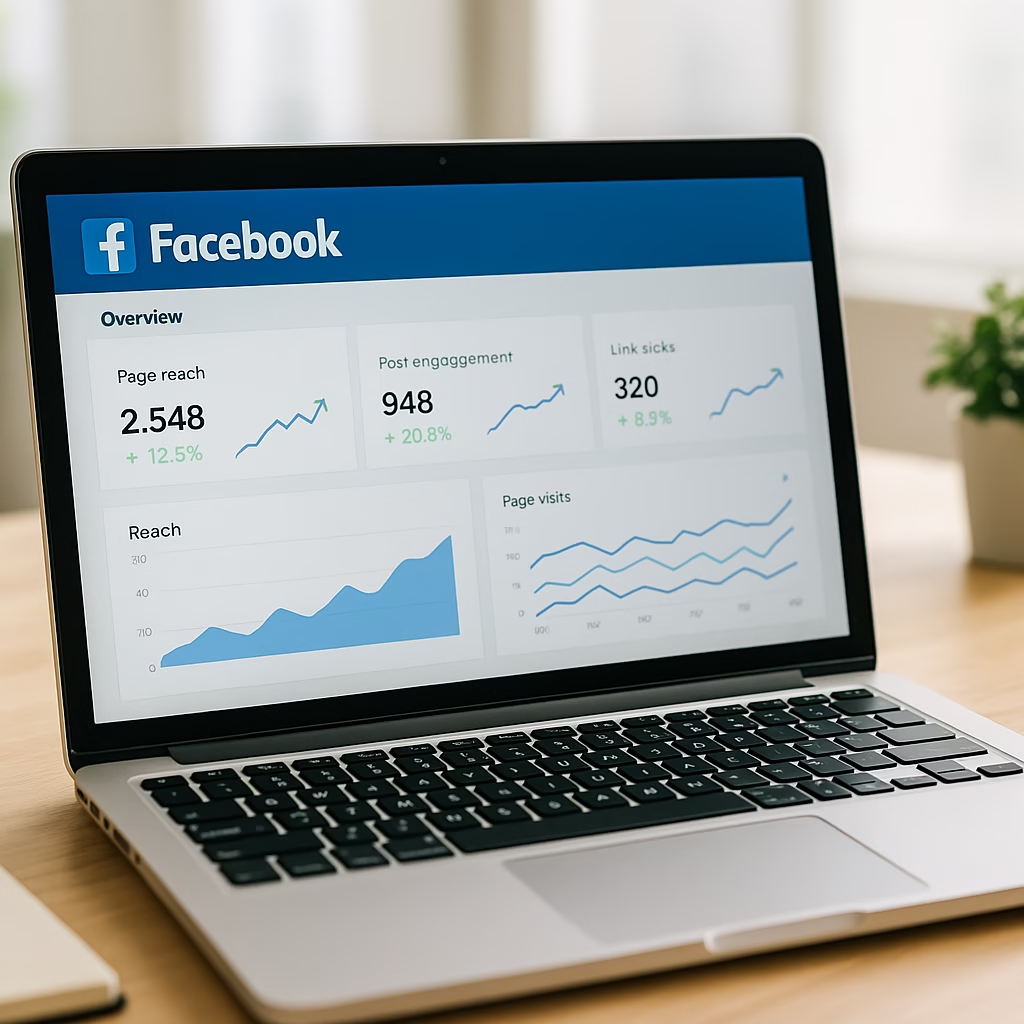
The value of Facebook algorithm mastery lies in blending creativity with optimization. A well-timed video, an engaging question, or a story-driven post can generate meaningful interactions that push your content higher in feeds. When combined with data-driven adjustments, these practices ensure you not only capture attention but sustain it. Whether you are building a community, promoting products, or growing brand authority, aligning your efforts with the algorithm is the most efficient way forward.
It’s also critical to avoid the pitfalls discussed earlier—overposting, ignoring analytics, or relying solely on promotional material. These mistakes send the wrong signals to the Facebook algorithm and limit your visibility. Instead, prioritize quality over quantity, encourage interaction, and maintain consistency. Over time, this builds trust with your audience and signals to the platform that your content deserves to be seen.
In the fast-changing world of social media, adaptability is key. The Facebook algorithm will continue to evolve, but by keeping up with updates, experimenting with formats, and analyzing insights, you can stay ahead of competitors. Ultimately, those who treat the algorithm as a partner rather than an obstacle will reap the benefits of greater reach and influence in 2025 and beyond.
For more insights, explore:
Facebook Transparency Center,
Search Engine Journal: Facebook Algorithm Guide, and
Wikipedia: Facebook.



Pingback: Recover Hacked Facebook Account Fast With Proven Steps